Column · @jasperpalx214
Pressure Washing vs Soft Washing: Which Do You Need?
Choosing the right exterior cleaning method helps protect your property while removing built-up dirt and organic growth. On the Sunshine Coast, humid weather, coastal exposure https://housewashingsunshinecoast.com.au/driveway-cleaning/ and shaded outdoor areas can encourage algae, mould and slippery surfaces. Pressure washing generally suits durable hard surfaces, while soft washing is often better for delicate finishes and biological growth. The safest choice depends on the material, its condition and what needs removing.
What Is Pressure Washing?
Pressure washing uses a pressurised water spray to dislodge grime. Operators adjust pressure, water flow, nozzle selection and working distance to suit the surface. Cleaning products may also be used to loosen contaminants before rinsing.
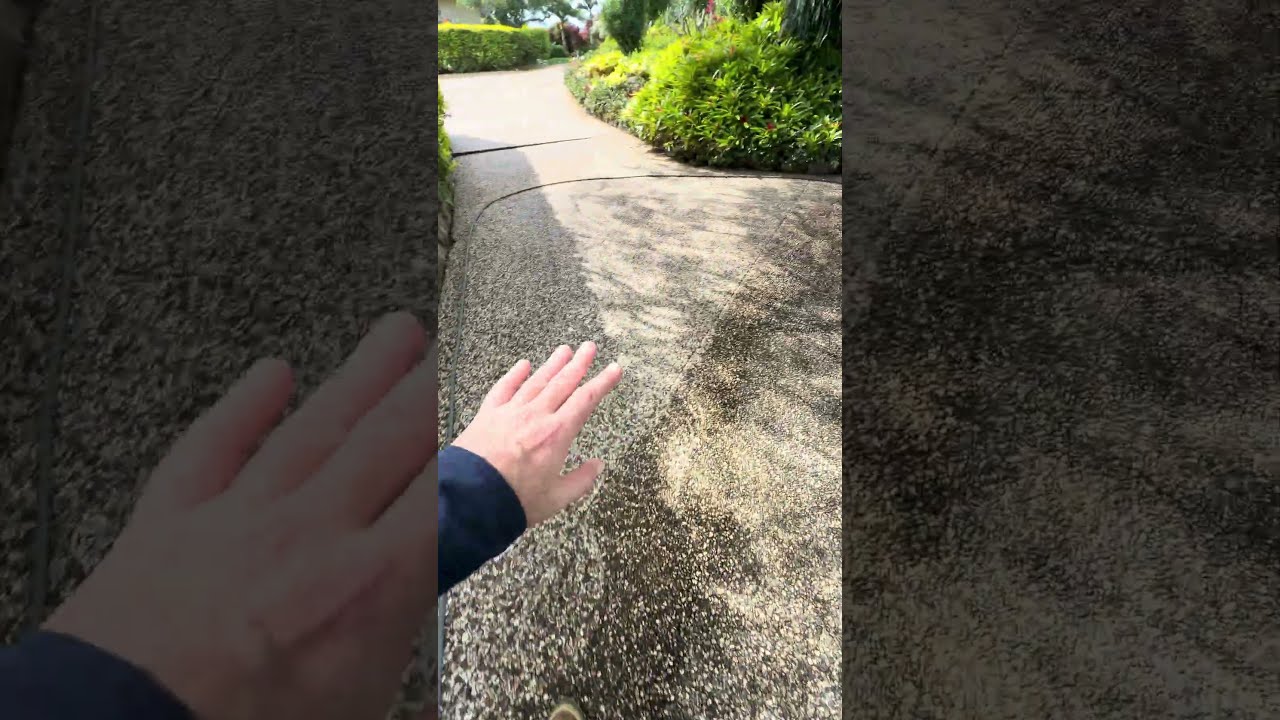
This method is commonly suitable for sound concrete driveways, paths and some unsealed masonry. A surface-cleaning attachment can help produce an even finish across larger paved areas. However, excessive pressure can etch concrete, strip coatings, disturb paving joint sand and force water into gaps.
Oil stains, rust and tyre marks may need targeted treatment; increasing pressure alone does not reliably remove them and can damage the surface.
What Is Soft Washing?
Soft washing uses low-pressure application of a cleaning solution, followed by a controlled rinse where required. Rather than relying mainly on force, it uses an appropriate product and contact time to treat contamination such as algae and mould.
It is often suitable for painted exteriors, weatherboards, render and some roofing materials, provided the process complies with the manufacturer’s guidance. Soft washing is not automatically harmless: incorrect chemical strength, excessive contact time or poor rinsing can damage finishes and nearby plants.
Which Method Suits Your Property?
- Concrete driveways and paths: Pressure washing is often appropriate after checking for weak areas, cracks, decorative finishes and sealers.
- Painted walls, render and cladding: Soft washing is often preferred, with careful control around windows, vents and electrical fittings.
- Roofs: Cleaning must suit the roofing material, coating and manufacturer’s requirements. Avoid assuming high pressure is safe for tiles or metal roofing.
- Timber decks and fences: Use a timber-specific process. Excessive pressure can raise fibres and leave permanent marks.
- Pavers: The approach depends on their condition, jointing material and any existing sealer. Re-sanding may be necessary after cleaning.
Sunshine Coast Conditions Matter
Shaded paths and south-facing walls can remain damp longer, supporting organic growth. Coastal properties also face salt deposits that may require regular, gentle rinsing. Cleaning frequency should reflect actual conditions rather than a fixed schedule.
Inspect outdoor surfaces for slippery patches, green staining and accumulating debris. Addressing moisture sources, trimming vegetation away from walls and keeping gutters clear can help slow regrowth. No cleaning method permanently prevents algae or mould from returning.
Protect Your Property and Local Waterways
Before work starts, a contractor should inspect vulnerable surfaces, test an inconspicuous area and plan how to protect plants, fittings and neighbouring property. Cleaning products must be used according to their labels, and runoff should be managed to prevent chemicals, sediment and contaminated wash water entering stormwater drains. Ask how the contractor meets applicable Sunshine Coast Council and Queensland requirements.
Roof cleaning also involves significant fall risks. Suspected asbestos-containing roofing or cladding needs specialist assessment; high-pressure water cleaning must not be used on asbestos-containing materials.

Choose the Method That Protects the Surface
When requesting a Sunshine Coast exterior cleaning quote, ask which method is proposed, why it suits each surface, and whether stain treatment, runoff control or re-sanding is included. A reliable provider explains the limitations and identifies existing damage before starting. The best result often combines pressure washing for durable ground surfaces with soft washing for more sensitive areas.
House Washing Sunshine Coast
(07) 5241 4915